In the 1970s, the world experienced sharp rises in oil prices, similar to those we see today. In the Netherlands, this coincided with a high number of children being killed in road accidents. Together, these factors prompted the country to rethink how streets were designed, which lead to reduced traffic volumes and speeds and the provision of segregated cycle lanes on main roads. Today, we often assume that people in the Netherlands simply prefer to cycle, but this culture is largely the result of deliberate policy choices.
Can you imagine if Fleet had chosen to prioritise walking and cycling back in the 1970s? This article explores that alternative history and considers what it would be like if there were a proposal to redesign Fleet into the town we know today.
Time for change
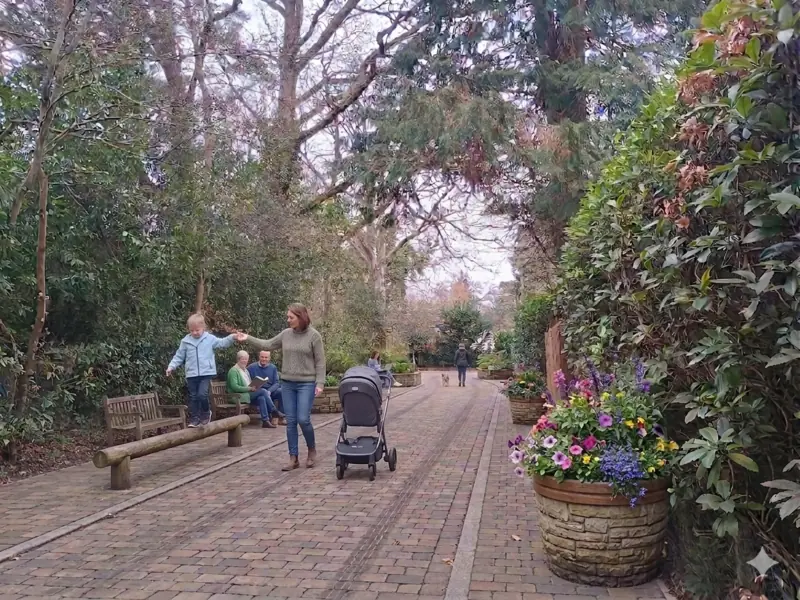
Fleets nearby countryside combined with its tree lined and low traffic streets mean Fleet is often referred to, with some pride, as "the town in a park." However, following complaints from a vocal minority, and general indifference from everyone else, the council will now be moving towards a more car-focused approach. The proposal is to encourage short journeys by car, as well as to attract drivers from further afield to pass through the town.
High Street Improvement
To support this, the pedestrianised high street will be converted into a two-way, 30 mph A-road.
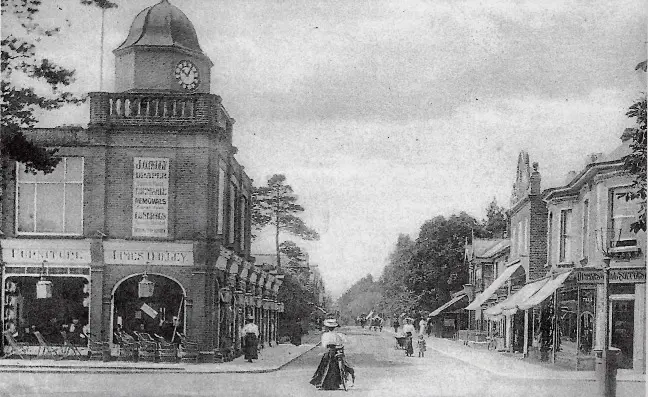
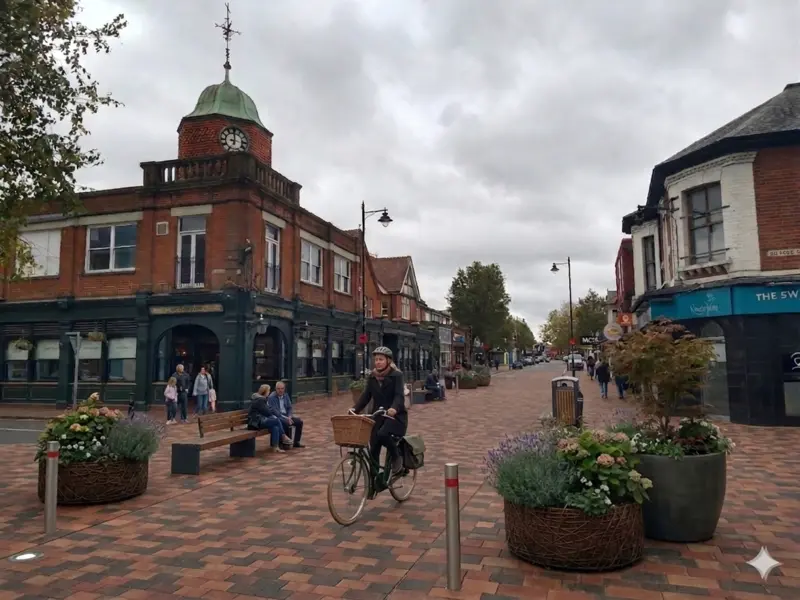
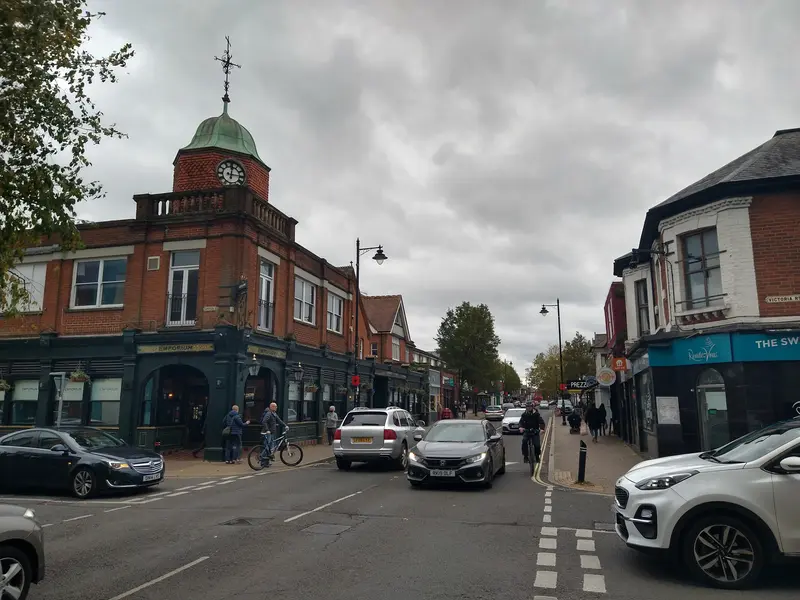
Ambitious traffic targets mean that crossing the high street on foot may become more challenging. Residents are therefore advised to plan ahead and, where possible, park on the correct side of the road.
For those who do need to cross, convenient push-buttons will be installed, allowing pedestrians to request an opportunity to do so. We hope the beeping sound you hear as you cross will remind you of the birdsong that was audible before the traffic noise was introduced.
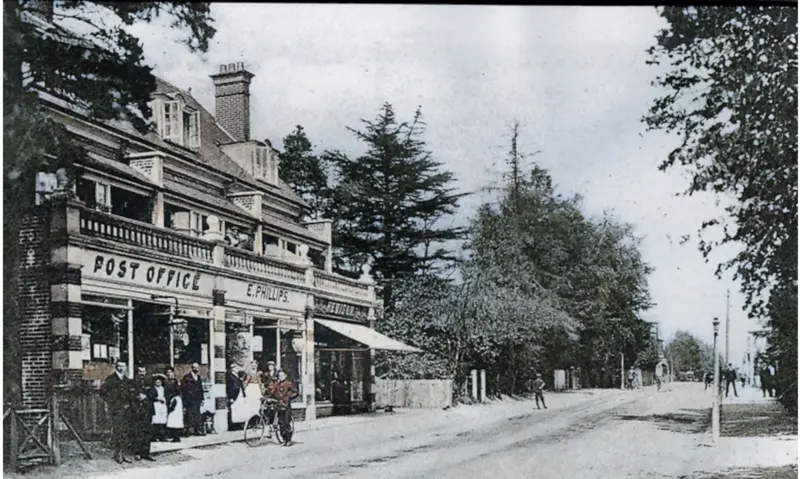
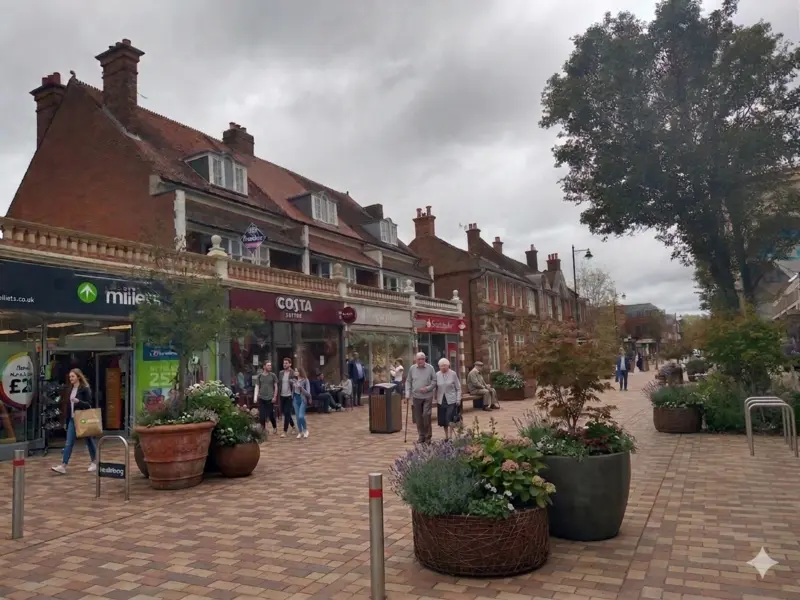
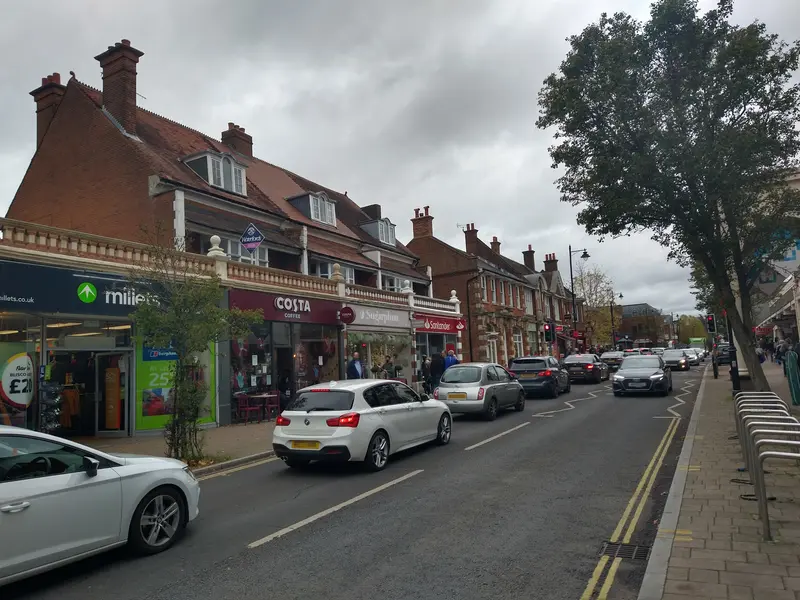
The advantage of this arrangement is that that some drivers passing through may choose to stop and shop, as motorists enjoy an excellent view of retail offerings and are able to pull over at any time.
Parking Provision
Prioritising car use for short journeys means each adult will require their own vehicle, along with convenient parking at both ends of every trip. To support journeys to the high street, the majority of publicly owned land will be repurposed for parking.
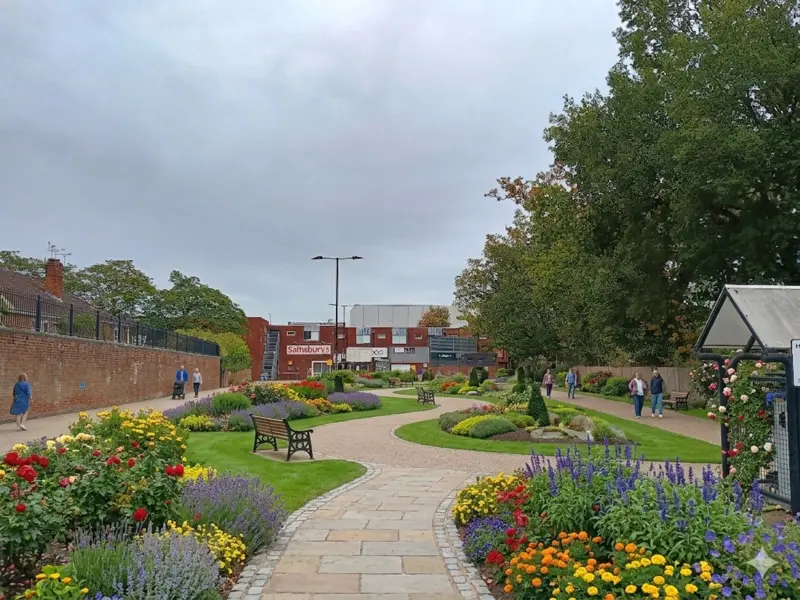
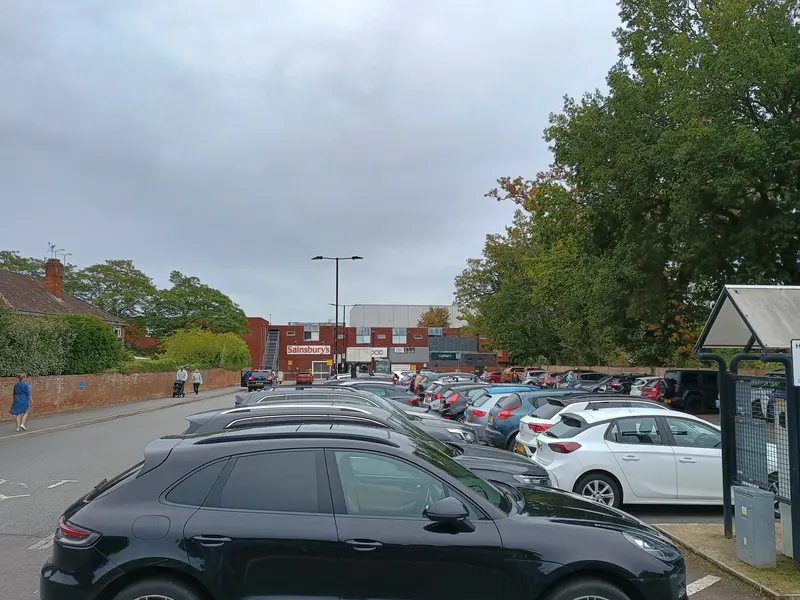
Church Road Car Park
The Church Road Roller Skate Park and Church Road Ornamental Garden will be combined into a large car park
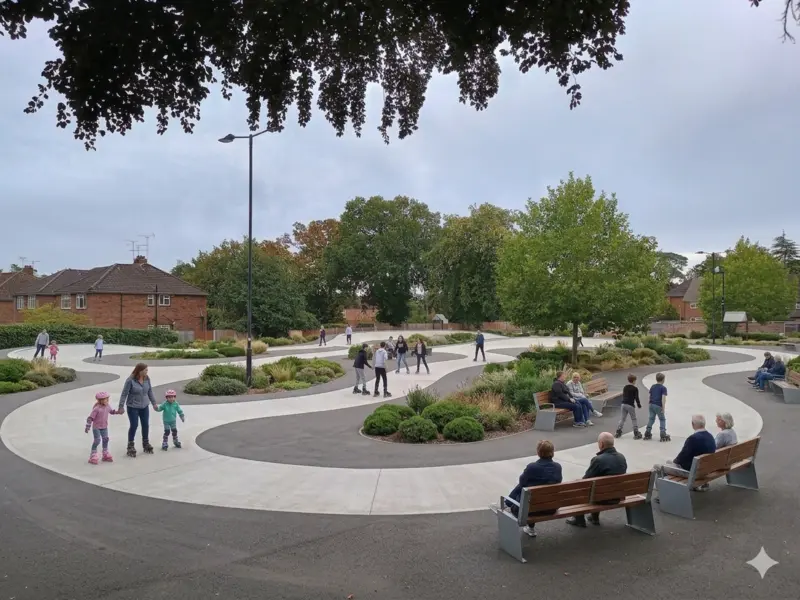
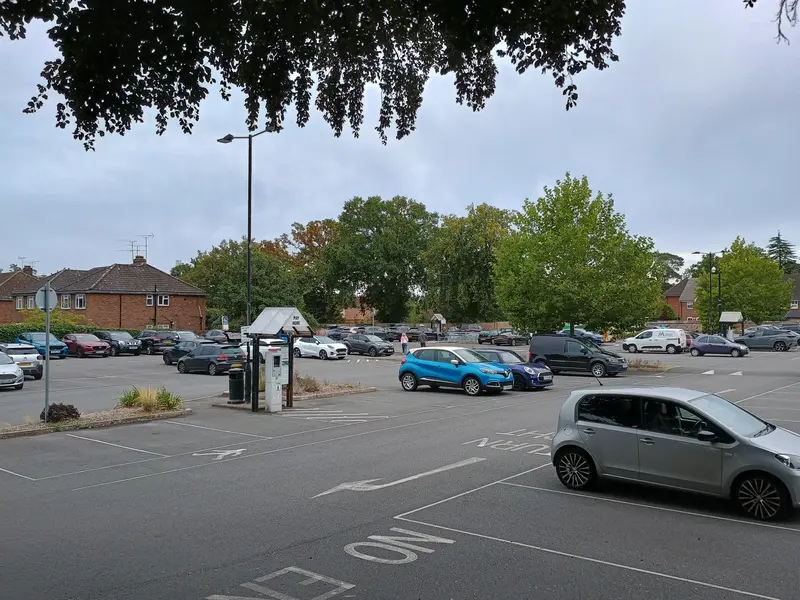
Gurkha Square
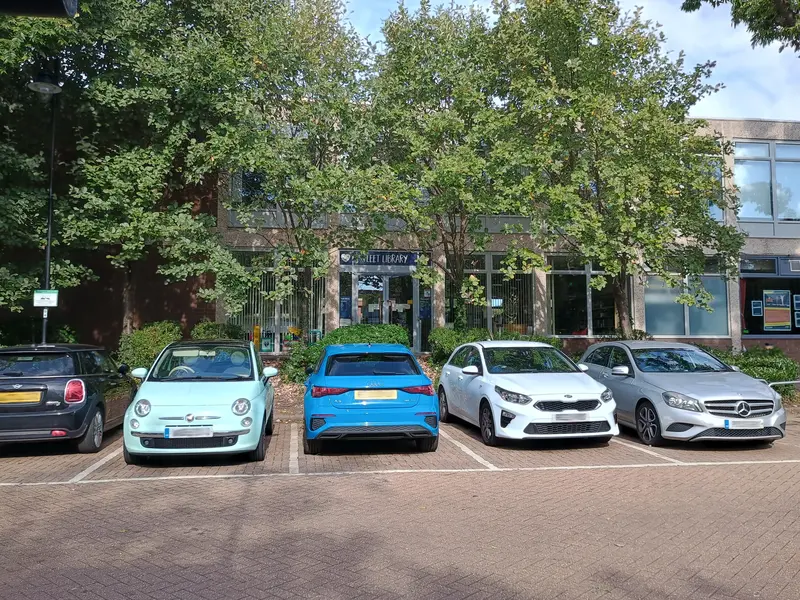
Turning Gurkha Square into a car park will provide 50 additional essential spaces (out of 1,300 in total).
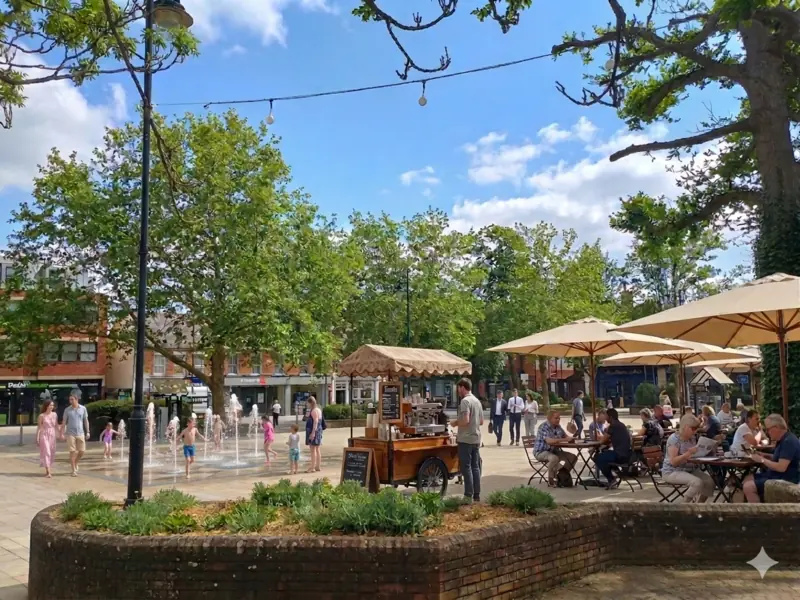
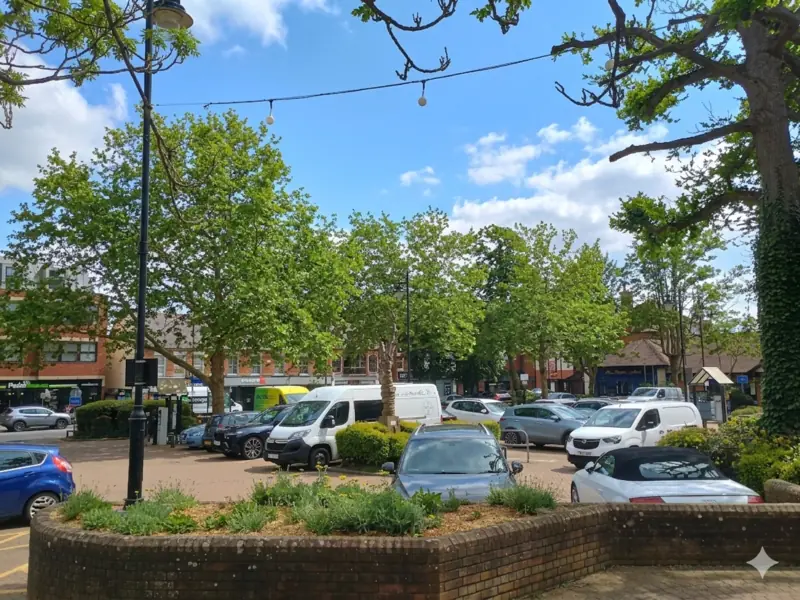
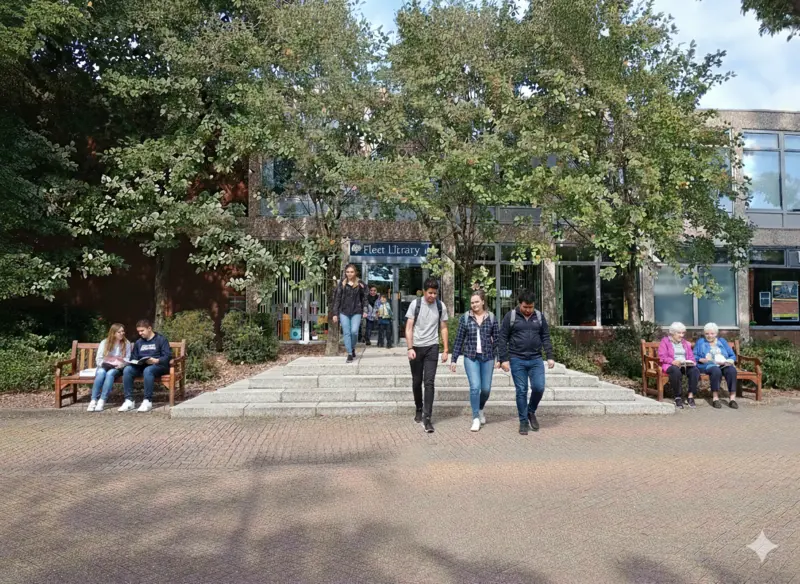
The plan also cleverly creates five extra spaces by removing the steps outside the library entrance. Pedestrians will still be able to clamber through the bushes if they require more direct access.
Residential Parking
At home, the solution to parking is refreshingly simple. Revoking the Fleet-wide Controlled Parking Zone will allow residents to park anywhere, and there is already ample space outside most properties.
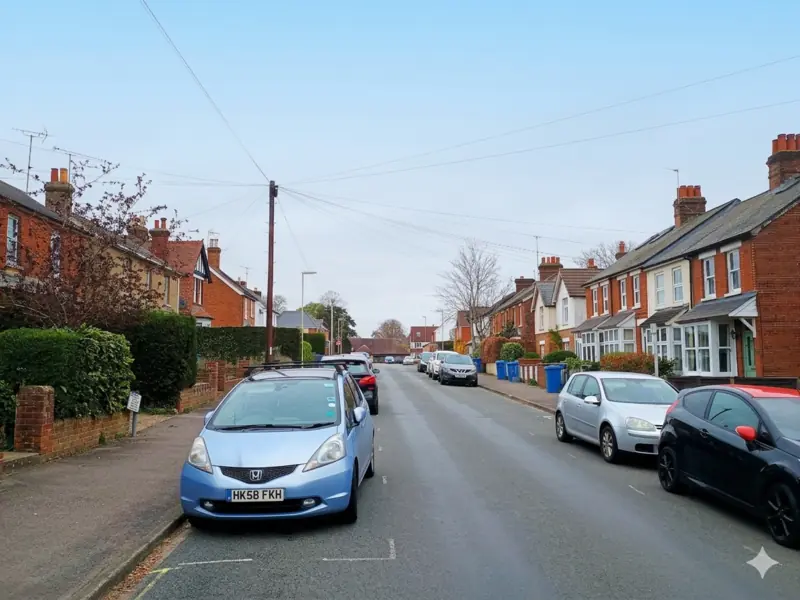
Where additional capacity is required, grass verges and pavements provide a flexible and creative alternative.
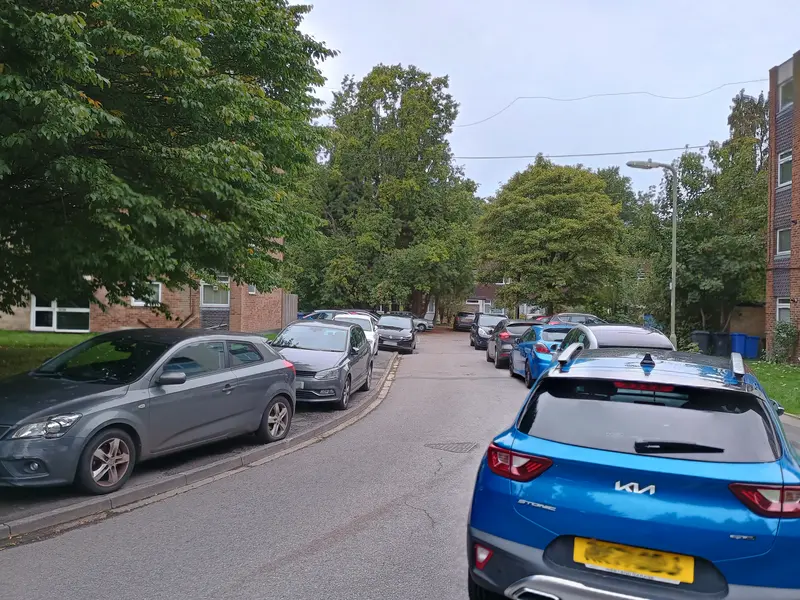
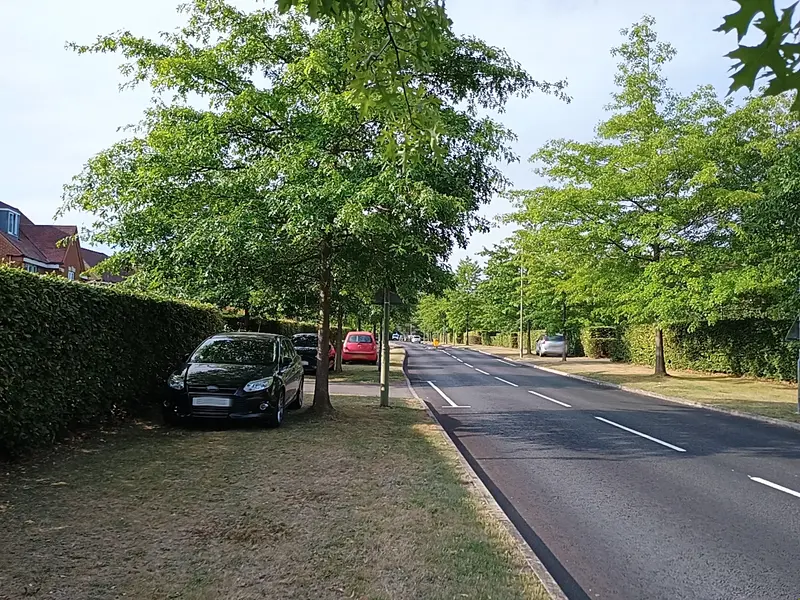
Any new housing developments will require at least 2 parking spaces per dwelling. This may result in one fewer bedroom per home at the same price point; however, we are optimistic that developers will absorb this cost rather than passing it on to buyers.
Impact on Residents
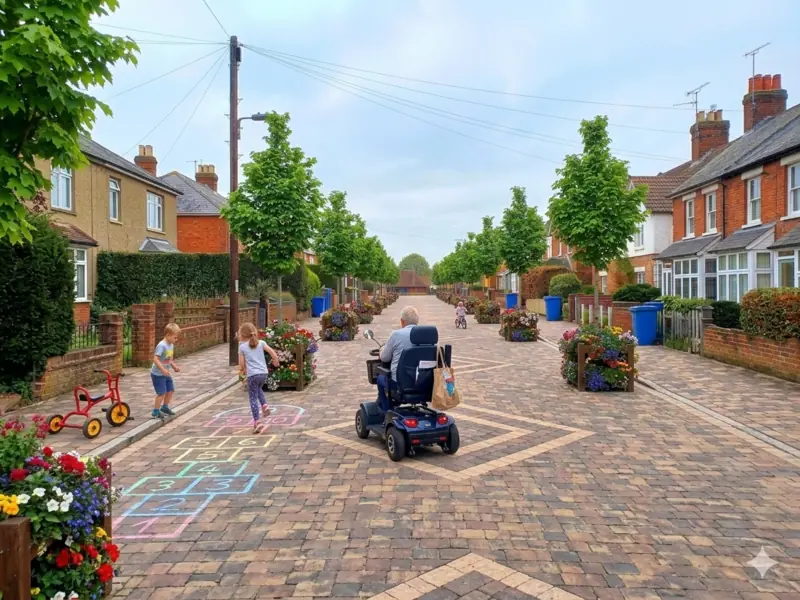
The low traffic streets and segregated cycle paths combined with mobility scooters and e-bikes mean nearly everyone can move throughout Fleet and into the neighboring countryside. Fortunately, with the exception of children, the elderly, disabled people, and those on lower incomes, all residents can have access to their own car so not much will change in this regard.
Children currently enjoy a high degree of independence, traveling safely thanks to low traffic volumes and slow speeds. Under the new arrangements, this will no longer be possible as their parents will understandably keep them at home for their safety. However, this is will cease to be an issue once they reach the age of 17 (and can afford a car). Until then, each child will require a mobile phone to provide digital entertainment and social interaction from their bedroom.
The requirement for one car per adult does carry a modest cost (approximately £3,500 per year, per car). However, we are confident that the resulting reduction in disposable income will have minimal impact on the high street and wider local economy.
Some objections have been raised regarding reduced levels of daily physical activity and the potential impact on the NHS. We have been assured by central government that the NHS is well positioned to scale accordingly.
The increased road maintenance cost resulting from higher traffic volumes is funded by the council, which has its own dedicated budget. As road maintenance only competes with social care funding, this is unlikely to present any issues, and residents can look forward to pothole-free roads long into the future.
Elvetham Heath Play Route
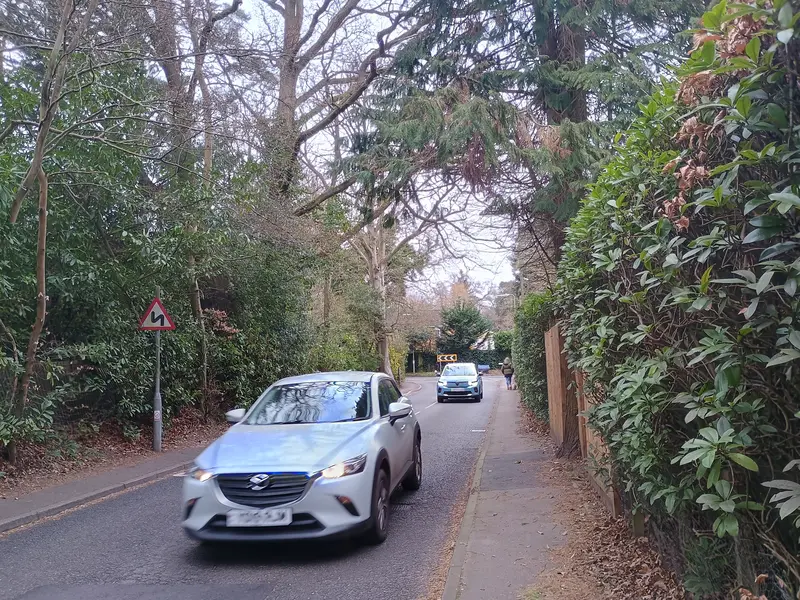
The Elvetham Heath play route (the walking route from Elvetham to Fleet with intermittent play equipment) - will need to close. This is unavoidable as otherwise some journeys by car would be 2 minutes longer.
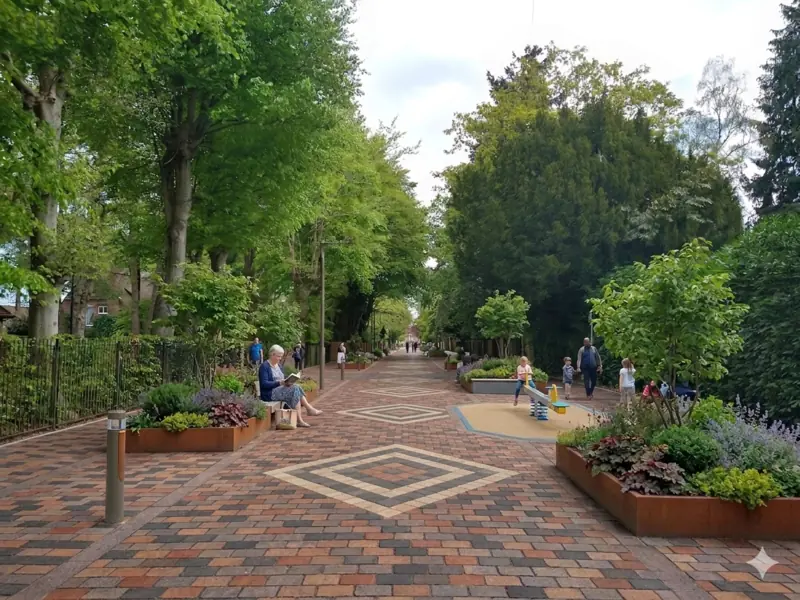
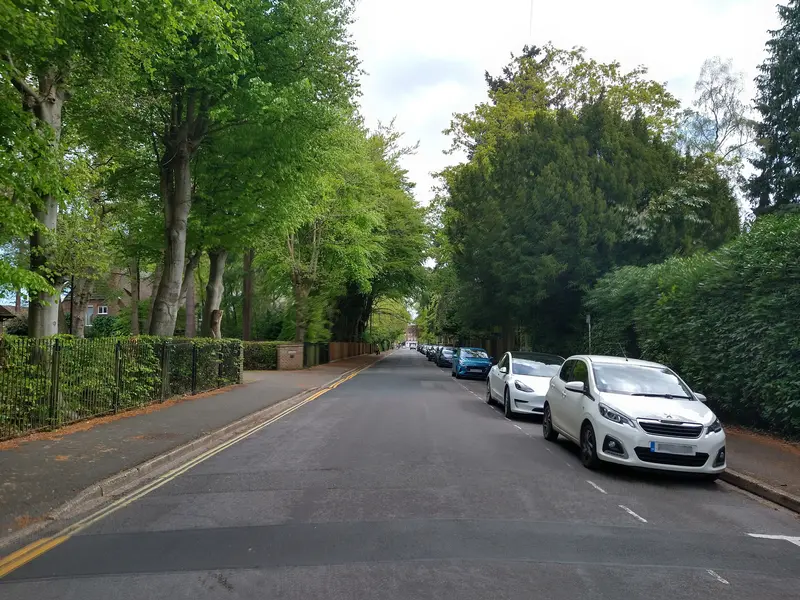
We expect most people to drive from Elvetham Heath to Fleet but for those unwilling to adapt, it will still be possible to walk, as a narrow section of pavement will remain on Church Road. Users are kindly asked to proceed in single file.
Conclusion
We hope these changes will meet the needs of the vocal minority, and that the indifferent majority will adapt. In time, we will not believe that a "town in a park" is even possible and grow to love our new identity as "the town in a car park".